

 Long COVID
From Daily Crashes to Living Again: What I Tracked, What I Changed, and What the Data Showed
A patient-founder's honest account of four years with long COVID and dysautonomia: the daily crashes and labile blood pressure, why I started measuring, the routine I built piece by piece, and what my own HRV and blood pressure data actually showed.
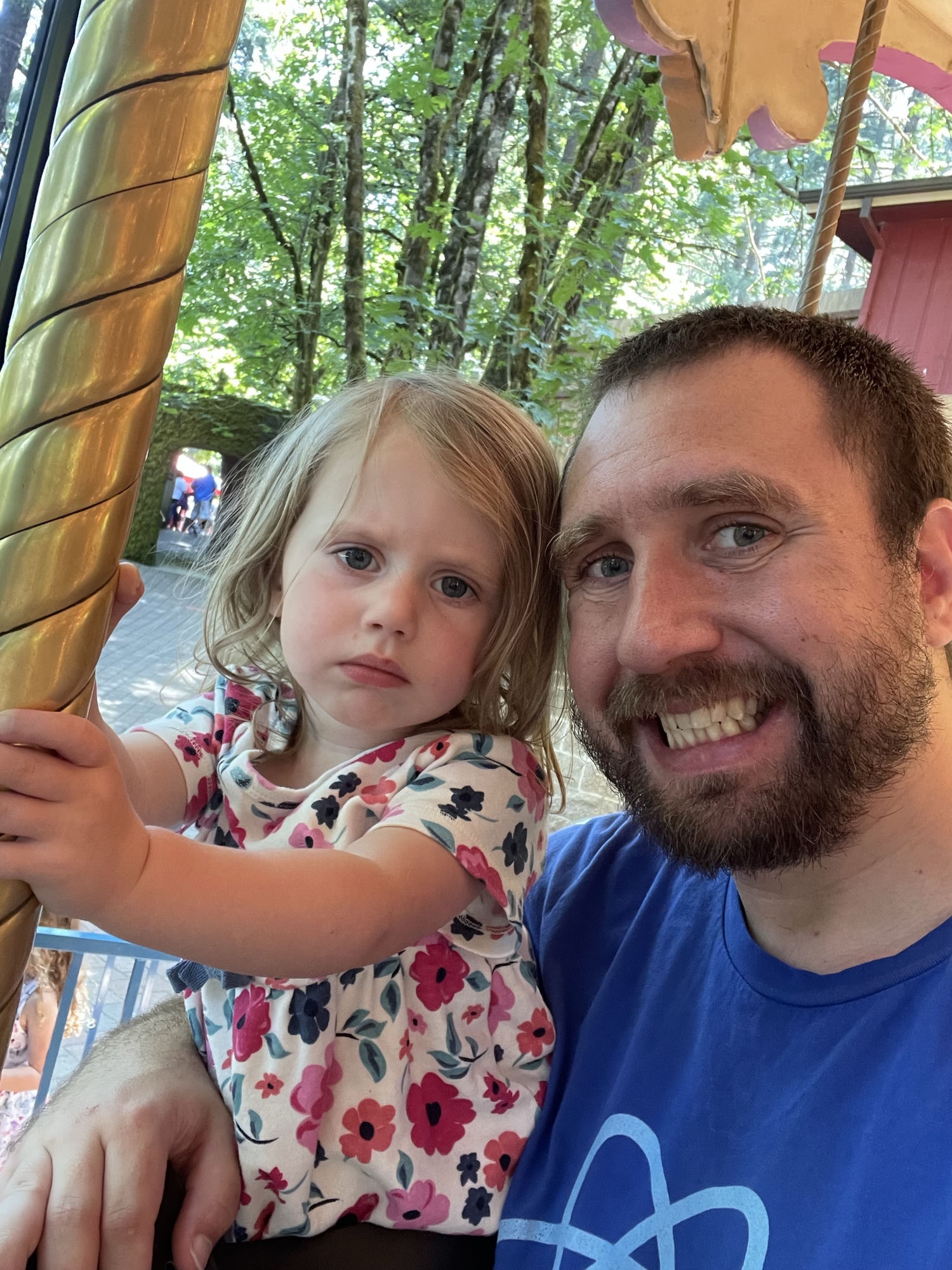
Four years ago, standing up became something I had to brace for. My blood pressure would spike out of nowhere, my heart would race the second I got to my feet, and brain fog would swallow whole days. I saw specialist after specialist, cardiology, neurology, and kept leaving with the same answer: nothing. The hardest part wasn’t any single symptom. It was not knowing whether anything I tried was actually helping, or whether I was progressing or just stuck. That lack of knowledge caused a lack of hope.
I couldn’t tell if anything was working
Two years ago I was at my lowest. My HRV was in the dumpster, around 10 RMSSD and 20 SDNN, numbers I’d later learn are about as low as they get. My blood pressure was all over the place, and I’d get episodes where it spiked to scary levels, sometimes 190 over 100, out of nowhere. Those spikes were the most frightening part of the whole thing.
The doctor I was seeing at the time didn’t really understand long COVID or dysautonomia, and his one answer was a beta blocker. I understood the instinct, but I wanted to understand what was actually happening in my body, not just quiet the symptoms and hope. So I started reading everything I could, and I started tracking.
That was the turning point. Not because I found a magic fix, but because I finally had a way to see.
So I started measuring
I started logging everything: my HRV, my blood pressure, standing episodes, sleep, water, the supplements and medications I was trying, and the foods that seemed to set me off.
I want to be clear about one thing, because it matters: the app didn’t fix me. It never could. What it did was let me see. For the first time I could tell a good day from a warning sign, and I could start connecting what I did to how I felt two hours, or two days, later.
What I changed, and what the data actually showed
I built my routine one piece at a time, and I watched the numbers after every change instead of guessing.
The first things I added were Pepcid AC and Allegra, both antihistamines. I watched my HRV religiously, and there was a clear before and after. It wasn’t a cure, but it told me I was onto something. I added magnesium glycinate, which helped me stay calm and settle in the evenings. Then low dose melatonin, CoQ10, salt (I use LMNT), and fish oil. The salt clearly helped with some of my blood pressure episodes, though it always felt like a bandaid rather than an answer.
Then I started working on my diet, doing my best to keep it clean and cut histamines, because my own data kept pointing there. High histamine foods hurt me, and the antihistamines helped, over and over. My best stretches came from stringing clean days together.
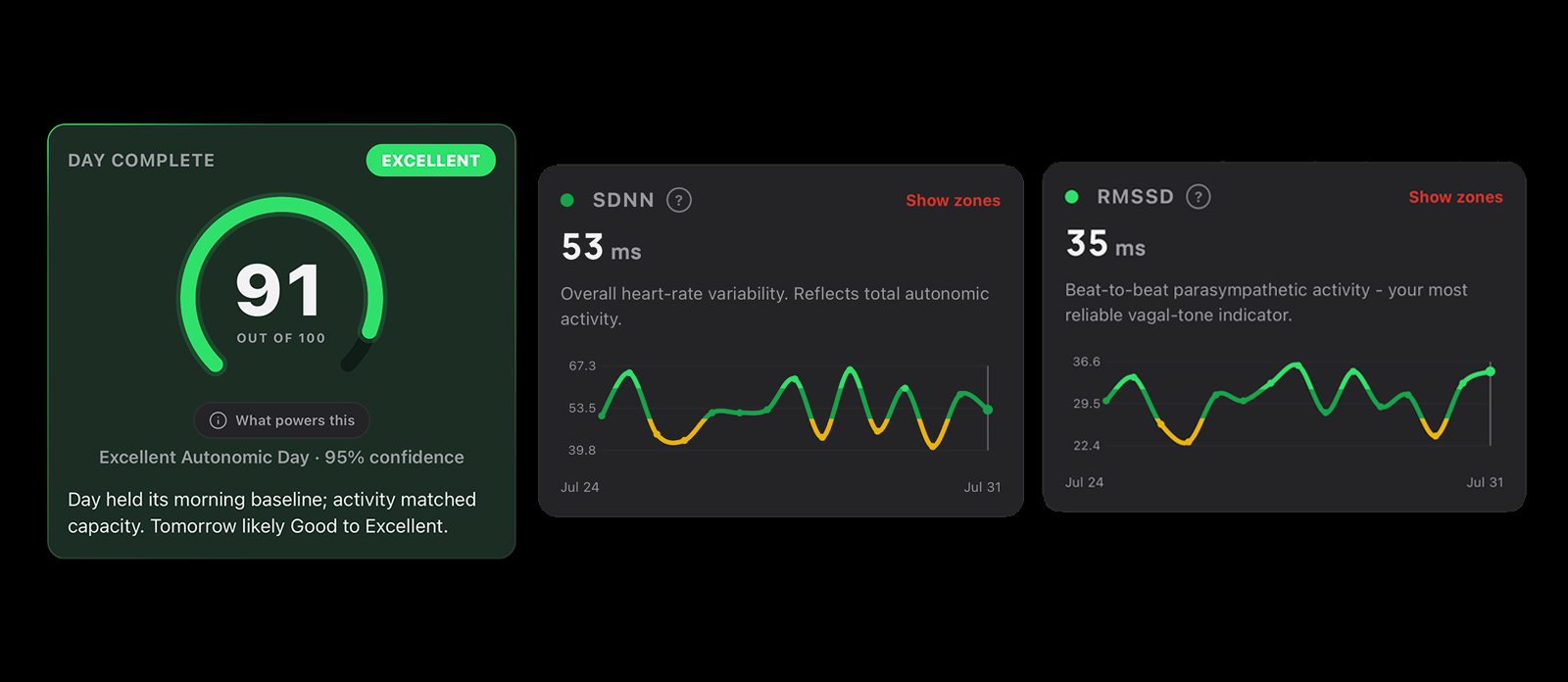
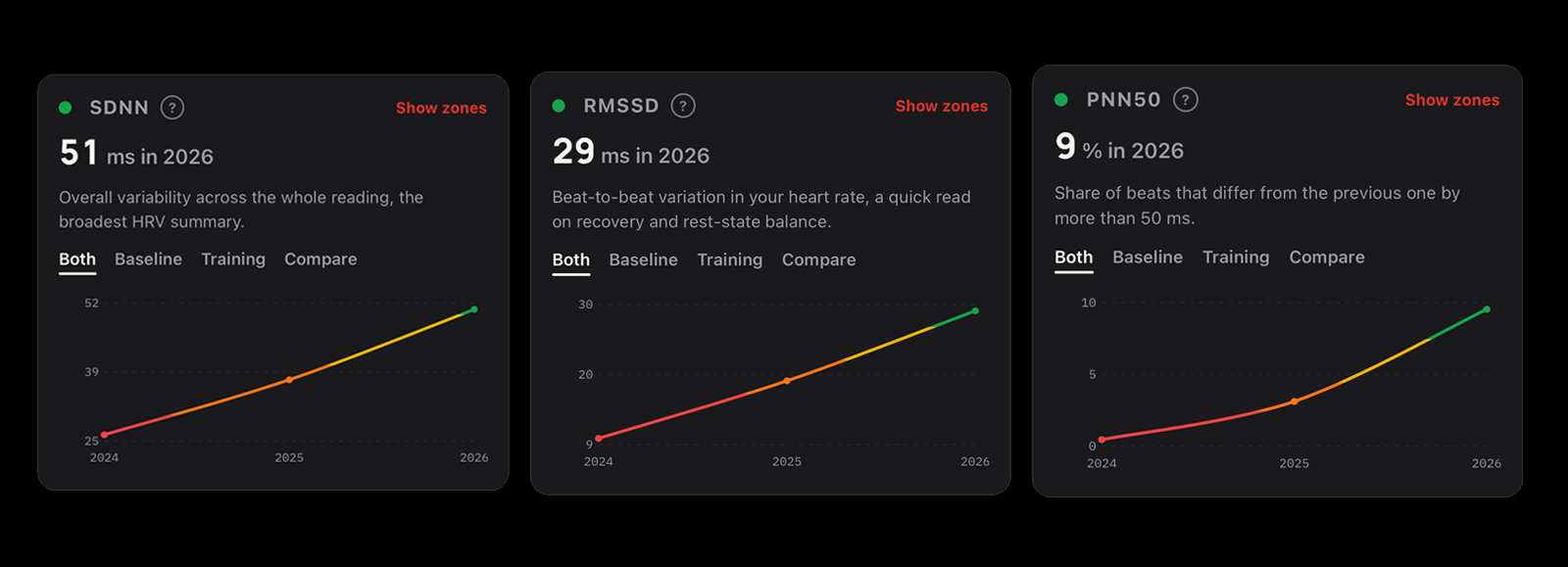
Everything I did moved the needle a little, but nothing felt life changing. Until a few months ago, when I added quercetin. I’d seen in my own data how much mast cells and histamine seemed to drive my bad days, and for me quercetin was a night and day change. My RMSSD went from a regular floor of 15 to 20 up to a new floor of 32 to 36, with good days hitting the 40s. My SDNN climbed too. I’m still not 100 percent, but I could do so much more than before. And beyond the numbers, I could feel it, which in the end is what matters most.
The patterns that changed how I live
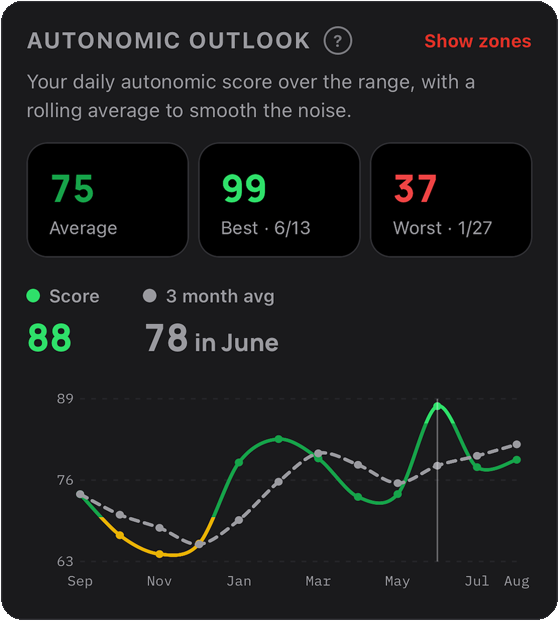
The real value wasn’t any single reading, it was the patterns:
- When I stacked stressors, a bad meal, a short night, a hard day, I could watch it drag my numbers down, and then watch my actual day fall apart the same way.
- If my diet slipped and I ate something high in histamine, the next day would suffer: crashes, blood pressure, heart rate.
- I could see when my salt was low or I wasn’t drinking enough water, before I felt it.
- I could even see sickness coming before the symptoms started, which was wild. It let me get ahead of it with vitamin C and zinc.
- And I could watch my clean days turn into record numbers.
That let me plan. I could forecast, roughly, what kind of shape I’d be in for the day or the week, and adjust.
If I had to pick the most telling number, it was my morning SDNN and RMSSD. A strong morning didn’t guarantee a perfect evening, but it told me I had the capacity to take on the day, and how well I’d recovered from whatever I’d stacked on before.
The one that mattered most: my blood pressure
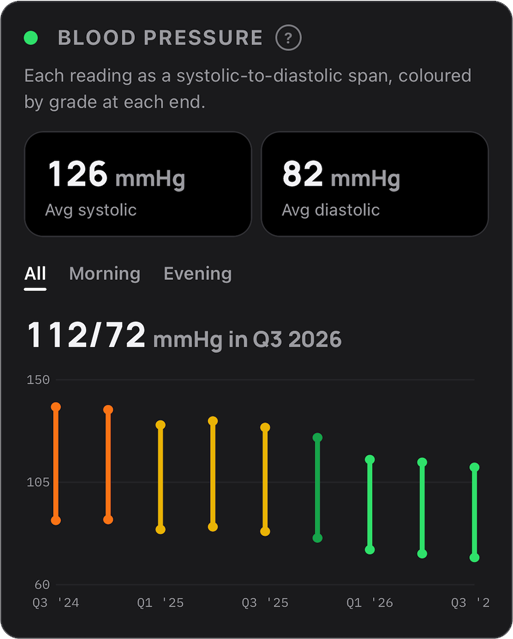
The number I’m proudest of is my blood pressure. Two years ago I averaged around 130 over 85 with those terrifying spikes above 180 over 100. Today I’m steady, around 110 over 75, and I’ve gone four months without a single spike. The scariest part of my condition is, for now, gone. I still get big heart rate jumps when I stand sometimes, 50 beats a minute on a bad day, but even those happen less often and settle faster than they used to. A bad HRV day for me now is around 40 SDNN and 28 RMSSD, which used to be a number I could only dream of.
Where I am now
I have a big family, and for a long time this stole things from all of us. I was afraid to leave the house in case I flared. I didn’t want to go on vacations or trips, which wasn’t fair to my wife and kids. I struggled to get through Zoom meetings because the stress of work could tip me into a crash. Carrying laundry or going up the stairs would send my heart rate through the roof.
Today I can do all of it. I still have rough days, but I’m not canceling my life anymore. I might adjust the timing or the effort, but I show up. Last year we took the kids to Disney World, something I couldn’t have imagined before. I paid for it with a hard crash by the end, but we did the whole trip, and we enjoyed it. That’s the difference. It’s not that the bad days are gone. It’s that they don’t run my life anymore.
Two years ago I was in a daily tailspin, heart rate episodes, blood pressure episodes, feeling almost disabled, unable to be the dad I wanted to be. Now a crash might happen once or twice every couple of weeks. And when one does, I can usually tell you exactly why, because I’ve tracked long enough to understand my own patterns. They’re less frequent, I recover faster, and I have a framework that keeps me out of trouble most of the time.
What I’d say to you
I want to be careful here, because none of this is a prescription. I’m not a doctor. I’m not an expert. What worked for me might do nothing for you, and some of it might not be right for you at all. Everyone’s version of this is different. The point of my story isn’t my routine, it’s that I stopped guessing and started measuring, and that is what finally gave me a way forward.
That’s why I built Autonomic, the app I used to do all of this. It captures real HRV from a chest strap, an Apple Watch, or just your phone’s camera, grades it against published thresholds so you can actually read it, and keeps everything on your device. No account, no cloud. It didn’t fix me. It let me see, and seeing was what I needed to find my way back to my family.
If you’re where I was, please work with a doctor who takes long COVID and dysautonomia seriously. Track your own patterns. And don’t lose hope, even when the answers are slow to come.
Autonomic is a personal journal and education tool, not a medical device. It does not diagnose, treat, or prevent any disease. This article describes my own experience only and is not medical advice. Always talk to your doctor before starting or stopping any medication, supplement, or treatment.
Frequently asked questions
Can you recover from long COVID or dysautonomia?+
Everyone's version of this is different, so I can only speak to mine. I am not healed, and I won't pretend otherwise. But over about two years I went from daily crashes and labile blood pressure to occasional, manageable rough days, and I got there by finding what genuinely helped me and doing more of it. This is my personal experience, not a promise and not medical advice. If you are in it, please work with a doctor who takes long COVID and dysautonomia seriously.
Did the app cure your long COVID?+
No. Autonomic is a personal journal and education tool, not a treatment or a medical device. It did not fix me and it could not. What it did was let me see: it let me connect what I did to how I felt a day or two later, spot patterns, and tell a good day from a warning sign. The changes came from me and my care. The app just made them visible.
Why track HRV, blood pressure and orthostatic response?+
Because they are objective signals of what your autonomic nervous system is doing, and they move before and around how you feel. Tracking them let me see when I was stacking stressors, catch a bad stretch coming, and watch my clean days turn into better numbers. It turned guessing into something I could actually read.
Track your recovery with Autonomic
A private, offline journal that scores your daily HRV, BP and orthostatic readings against medical thresholds. Free to download on iPhone and Android, with $7.99/mo Pro when you want the deep-analysis tools.
Download freeKeep reading
 POTS
POTSWhy Hot Showers Make POTS Worse: Heat, Blood Pooling, and How to Shower Safely
A hot shower stacks three POTS triggers at once: heat that dilates your blood vessels, standing still in the stream, and fluid lost to sweat. Here is why showering leaves so many people dizzy, and a practical, non-scary way to make it safer.
Read article → POTS
POTSHead-Up Tilt Sleeping for POTS: Does Raising the Head of Your Bed Help?
Sleeping with the head of your bed raised is a simple, low-cost habit that can protect overnight blood volume and soften morning orthostatic symptoms. Here is how head-up tilt sleeping works, who it helps most, and how high to raise it.
Read article → The app
Dysautonomia Awareness Month 2026: Ten Mornings, One Giveaway
October is Dysautonomia Awareness Month, and this year we are marking it with a giveaway built around the one thing that helps most: getting to know your own nervous system. From October 1, every day you take an HRV reading earns an entry, up to 10. Win an Apple Watch Series 12 or a Polar H10.
Read article →